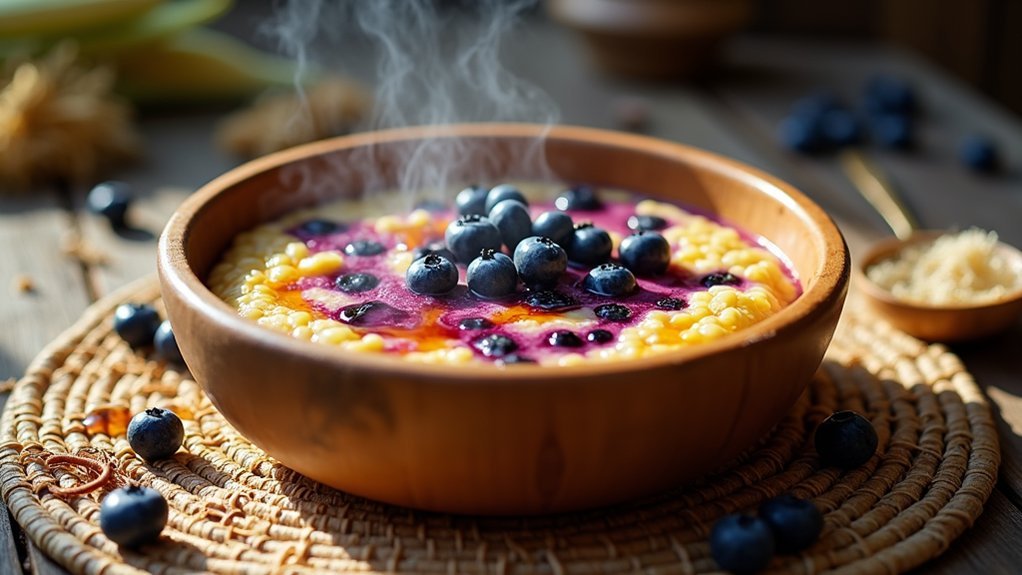
You’re about to discover a unique twist on traditional carrot cake that’ll make your guests do a double-take. Orange parsnip cake combines the earthy sweetness of parsnips with bright citrus notes, creating an unexpectedly delicious dessert. This will probably be the best Orange Parsnip Cake With Cream Cheese Frosting that you have ever had! While some might raise an eyebrow at vegetables in cake, you’ll be amazed at how these humble root vegetables transform into a moist, flavorful treat. Let’s explore this creative recipe that’s been winning over skeptics at dinner parties and holiday gatherings.
History of Orange Parsnip Cake With Cream Cheese Frosting
While the exact origins of orange parsnip cake remain somewhat unclear, this unique dessert emerged during World War II when home bakers sought creative ways to stretch sugar rations.
You’ll find that parsnips served as a natural sweetener, reducing the need for precious sugar during wartime shortages.
By the 1950s, you’d commonly see this cake appearing in community cookbooks across Britain and North America.
It’s fascinating how the recipe evolved from wartime necessity to become a beloved fall and winter dessert!
You might notice similarities to carrot cake, as both rely on root vegetables for moisture and natural sweetness.
Today, you’re part of a growing trend of bakers rediscovering this vintage recipe, appreciating its historical significance and the clever way it incorporates healthy vegetables into desserts.
Recipe for Orange Parsnip Cake With Cream Cheese Frosting
- 2 cups grated parsnips
- 2½ cups all-purpose flour
- 2 teaspoons baking powder
- 1 teaspoon baking soda
- 1 teaspoon salt
- 2 teaspoons ground cinnamon
- ½ teaspoon ground nutmeg
- 4 large eggs
- 1½ cups granulated sugar
- 1 cup vegetable oil
- Zest of 2 oranges
- ⅓ cup fresh orange juice
- 1 teaspoon vanilla extract
- 1 cup chopped walnuts (optional)
Preheat oven to 350°F (175°C) and grease a 9×13-inch baking pan.
Mix dry ingredients in one bowl. In a separate large bowl, beat eggs, sugar, and oil until well combined. Add orange zest, juice, and vanilla.
Gradually fold in the dry ingredients, then stir in grated parsnips and nuts if using. Pour into prepared pan and bake for 40-45 minutes or until a toothpick inserted comes out clean.
Cool completely before frosting.
For best results, peel and finely grate the parsnips using the small holes of a box grater. The parsnips should be fresh and firm, as older ones can become woody and affect the cake’s texture.
The cake can be stored in an airtight container for up to 5 days at room temperature or frozen for up to 3 months. Allow ingredients to reach room temperature before mixing for the most consistent results.
Cooking Steps
You’ll start your orange parsnip cake adventure by using a microplane to zest one large orange and coarsely grating 2 cups of fresh parsnips.
Next, combine your dry ingredients in a large bowl while separately beating 3 eggs with 1½ cups sugar until they’re light and fluffy – trust me, your arms will thank you if you use an electric mixer!
Finally, you’ll fold the wet ingredients into the dry mixture using gentle, sweeping motions until everything’s just combined – no need to work out those biceps any further.
step 1. Grate Fresh Orange Peel
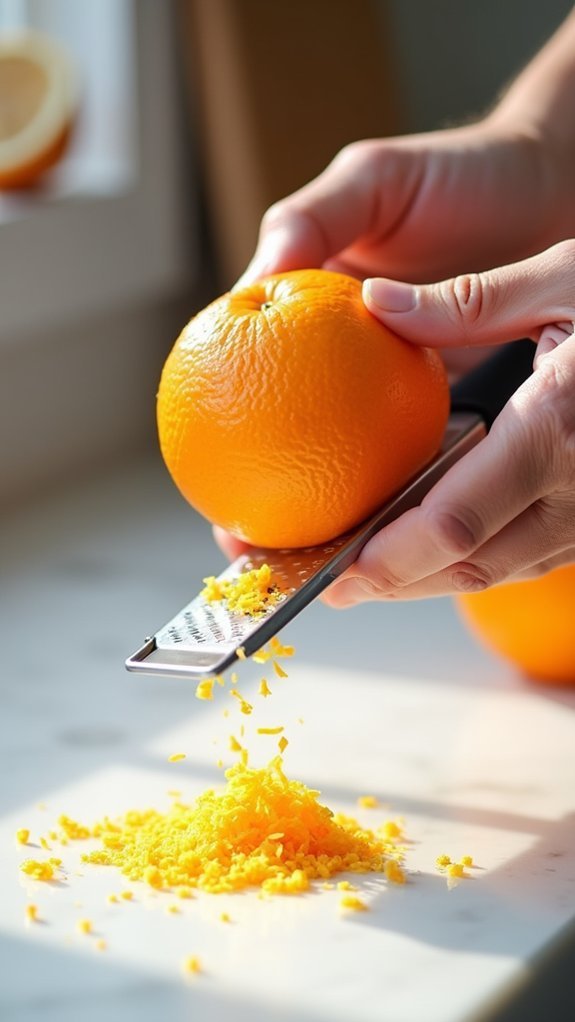
Before mixing the cake batter, grate the fresh peel from one large orange until you’ve collected 2 tablespoons of bright, aromatic zest.
When grating, make sure you’re only removing the outer orange layer – that’s where all the flavorful oils live! The white pith underneath is bitter and won’t do your cake any favors.
Use a microplane grater for the finest texture, or a standard box grater’s smallest holes will work in a pinch.
You’ll want to grate with gentle, steady pressure while rotating the orange. If you’re finding tiny bits of zest stuck in your grater (we’ve all been there!), try spritzing it with a touch of cooking spray beforehand.
Once you’ve collected your zest, give it a quick chop if the strands seem too long for even distribution throughout your batter.
step 2. Grate Fresh Parsnips Coarsely

Grab your trusty box grater and prepare to transform 2 cups of fresh parsnips into delicately shredded strands perfect for this moist cake.
Using the large holes of your grater, hold each peeled parsnip at a 45-degree angle and grate using firm, downward strokes.
You’ll want to work over a clean kitchen towel or paper towels to catch the shreds. When you’re getting close to the end of each parsnip, switch to the remaining half to protect your fingers – no one wants a grated knuckle in their cake!
Measure the grated parsnips by loosely packing them into your measuring cup. Don’t compress them too tightly, or you’ll end up with too much parsnip in your cake.
Two cups should require about 3 medium-sized parsnips.
step 3. Mix Dry Ingredients Together
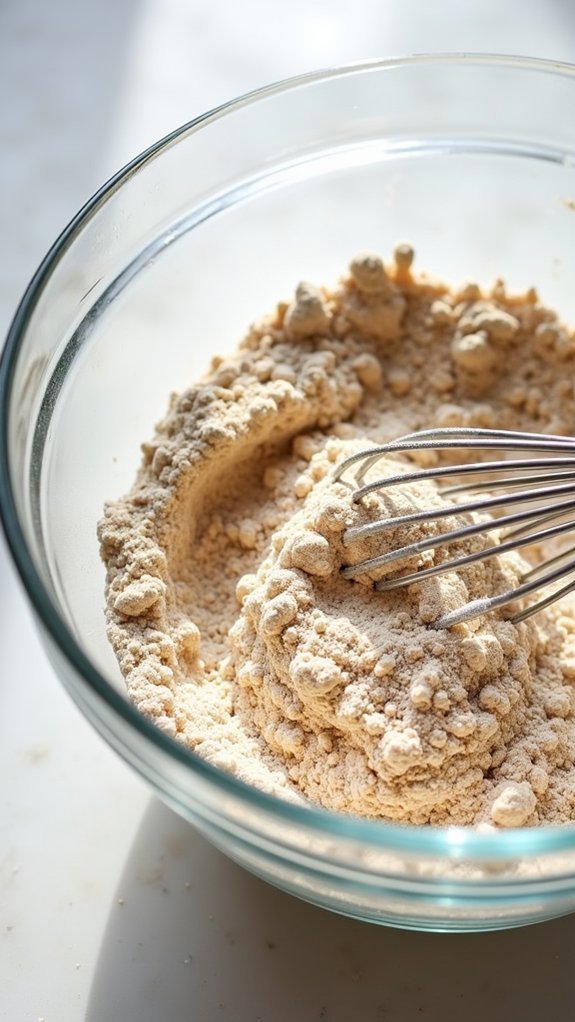
The heart of any great cake starts with perfectly measured dry ingredients working together in harmony. In a medium bowl, you’ll combine:
- 2 cups all-purpose flour
- 2 teaspoons baking powder
- 1 teaspoon baking soda
- 1/2 teaspoon salt
- 2 teaspoons ground cinnamon
- 1/4 teaspoon ground nutmeg
Using a whisk, blend these ingredients thoroughly – and yes, a whisk works better than a spoon here!
You’ll want to break up any pesky flour clumps that might try to sneak into your final cake. Make sure you’re scraping the bottom of the bowl as you whisk, since baking soda and salt love to play hide-and-seek down there.
Once your dry ingredients look uniformly combined and have a light, airy appearance, you’re ready for the next step.
step 4. Beat Eggs With Sugar
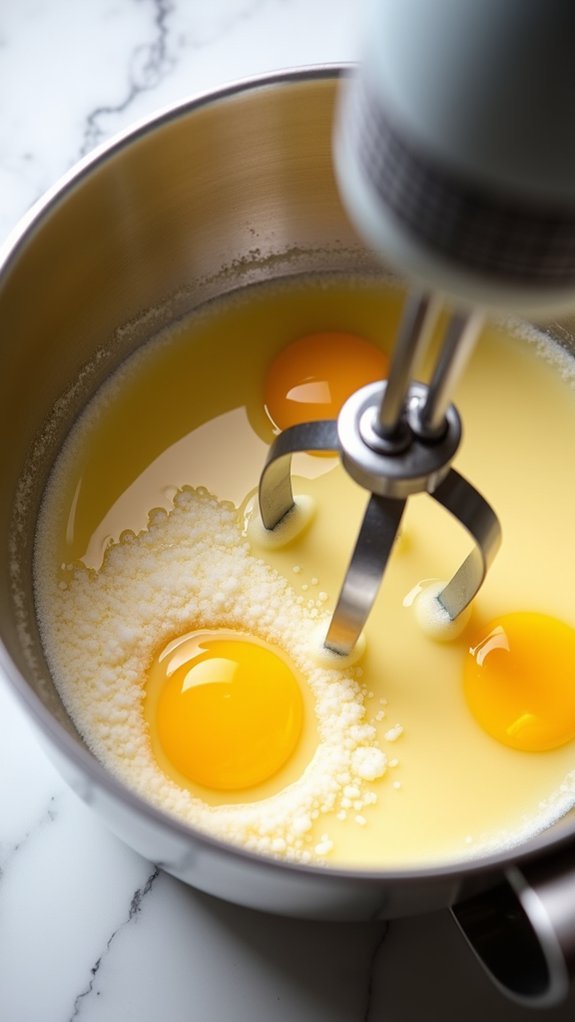
While your dry ingredients rest, let’s focus on creating that perfect sweet foundation.
In a large mixing bowl, crack 3 large eggs at room temperature – yes, room temp really makes a difference! Add 1½ cups of granulated sugar and get ready to put some muscle into it.
You’ll want to beat these together using an electric mixer on medium-high speed for about 4-5 minutes.
Watch for the magic to happen as the mixture transforms from a pale yellow to a light, fluffy consistency that’s almost doubled in volume.
You’re looking for what bakers call the “ribbon stage” – when the batter falls back into the bowl in thick, pale ribbons that sit on the surface for a few seconds before dissolving.
Don’t rush this step; it’s essential for achieving that perfect cake texture!
step 5. Mix Wet Into Dry
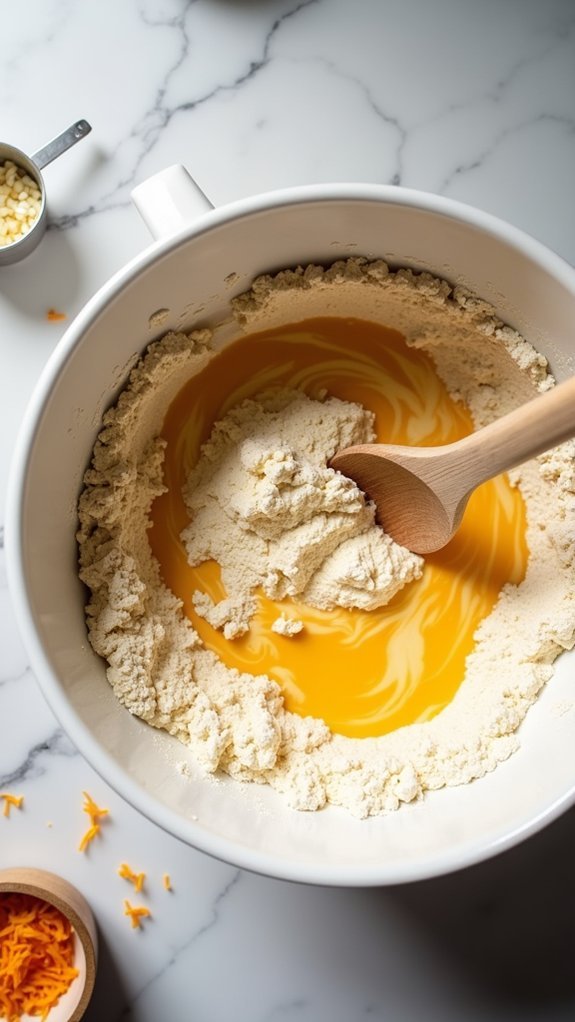
Now that you’ve achieved that perfect ribbon stage, gradually pour your egg mixture into the bowl containing your dry ingredients, using a rubber spatula to gently fold everything together.
You’ll want to maintain that airy texture you’ve worked so hard to create, so resist the urge to stir vigorously!
Add your mixture in three portions, folding with deliberate, sweeping motions from bottom to top.
Watch for any flour pockets hiding at the base of your bowl – they’re sneaky little things.
Continue folding just until you see the last streaks of flour disappear into a uniform batter.
The consistency should be similar to thick pancake batter, and the lovely orange zest will be evenly distributed throughout.
Stop mixing as soon as everything’s combined to keep your cake light and tender.
Final Thoughts
Making this Orange Parsnip Cake With Cream Cheese Frosting brings together the perfect balance of earthy root vegetables and bright citrus flavors.
You’ll love how the sweet, tender parsnips complement the zesty orange notes while creating an incredibly moist texture.
Don’t worry if you’re skeptical about vegetables in dessert – this cake will make you a believer! The parsnips blend seamlessly into the batter, and your guests won’t even know they’re there unless you tell them.
You can store this cake in an airtight container for up to 4 days at room temperature, though it’s best enjoyed within the first 2 days. Once you have tried it make sure to let us know what you think. And send us some photos that we can share of your Orange Parsnip Cake With Cream Cheese Frosting.
For longer storage, freeze unfrosted cake layers for up to 3 months. When you’re ready to serve, let the cream cheese frosting come to room temperature for that perfect spreadable consistency.